
Skipping Post Workout Fuel
Finish your session, skip the meal, and you’ve just undone a chunk of your progress. Recovery starts the moment your workout ends. When you don’t give your body fuel post exercise, you short circuit two major repair systems: muscle rebuilding and glycogen restocking. The result? Slower recovery, reduced strength gains, lingering fatigue, and a bigger risk of injury. Simply put no fuel, no progress.
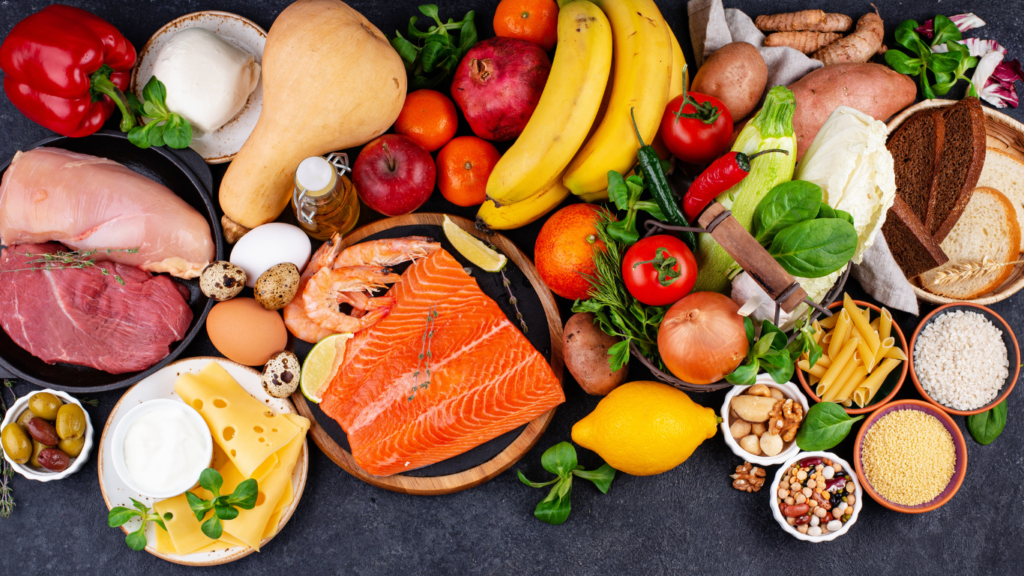
So what should post workout nutrition actually look like? It’s not about a complicated six step routine or overpriced powders. The sweet spot is a solid combo of protein and carbs, ideally within 30 60 minutes of finishing. Think grilled chicken with rice, eggs and toast, or a smoothie made with whey and fruit. You want fast digesting carbs to refill glycogen and about 20 30g of protein to kickstart muscle repair.
Timing matters. Skip the post workout window too often, and the benefits of training start slipping. Aim to eat something easy and effective as soon as you can after training. If a full meal isn’t possible right away, even a simple shake or banana with nut butter is better than waiting two hours.
Recovery doesn’t start in your next session it starts after your last rep.
Carbs and protein both play a role in recovery but they don’t play the same role. Think of carbs as the fuel tank refill, while protein is the rebuild crew.
After intense workouts, your muscles burn through glycogen (stored carbs) fast. Replenishing that isn’t optional if you want to bounce back strong, especially after long runs, heavy lifts, or back to back sessions. Skipping carbs post workout? You’re leaving energy and progress on the table.
Protein, meanwhile, is there to repair muscle tissue and support growth. It doesn’t directly refuel your energy stores, but it’s critical if you’re stressing your body with regular training. Miss out on protein and your recovery timeline drags out and so does your soreness.
So, what does smart recovery nutrition look like? Start with a carb to protein ratio hovering around 3:1 or 4:1 within an hour after training. A basic example: grilled chicken with rice and veggies, or a smoothie with banana, Greek yogurt, and oats. Whole foods win, but convenience counts too just keep the balance in check.
Bottom line: carbs bring the energy back, protein handles the damage. Skip either one, and your recovery will pay the price.
Hydrating Too Late
If you wait until you’re thirsty, you’re already playing catch up. Common signs you’re behind on fluids? Headaches that come out of nowhere, dry mouth, sluggish legs, dark urine, and unexplainable fatigue during workouts. If you’re cramping mid session or struggling to bounce back the next day, dehydration is likely part of the problem.
Hydration isn’t just about avoiding thirst it’s about keeping your body primed to perform and repair. Water supports joint mobility, stabilizes body temperature, and helps shuttle nutrients where they’re needed post exertion. Even a minor drop in hydration can throw off recovery, slow digestion, and derail energy levels.
The strategy here is boring but it works. Start hydrating before your session starts. Don’t rely on chugging water mid workout to fix a deficit. Keep a water bottle within reach all day, not just at the gym. Add electrolytes when you’ve sweated a lot, especially in heat or long endurance days. And yes, your daily caffeine habit increases fluid needs, so adjust accordingly.
Basically: hydrate like it’s part of your training. Because it is.
Failing to Plan Around Training

Proper nutrition doesn’t just happen after a workout it should start well before you lace up your shoes or hit the gym. Missteps in pre training fuel and poor meal timing are some of the most common mistakes athletes make, often leading to subpar performance and delayed recovery.
Under Fueling Before Long Sessions
Going into an intense session with an empty tank sets you up for fatigue, poor output, and muscle breakdown. Your body needs easily digestible energy to perform at its best.
Skipping meals or snacks before training leads to early exhaustion
Performance dips and recovery slows when fuel is lacking
Carbohydrates + a small amount of protein make the best pre workout combo
Timing Is Everything
Ignoring the ideal fueling window can limit gains even if you’re eating the right foods. When you eat matters almost as much as what you eat.
Pre training: Aim to eat 1.5 to 3 hours before a session for optimal energy
Post training: Consume protein and carbs within 30 60 minutes for best recovery
Mid training (for long workouts): Quick carbs can prevent energy crashes
Build a Simple Nutrition Framework
No need for complexity. A repeatable strategy that aligns with your training schedule ensures consistency without fatigue around food decisions.
Daily Training Nutrition Checklist:
Before Workout: Balanced meal (carbs, protein, light fats) 2 hours before OR small snack 30 minutes before
During Workout: If training exceeds 90 minutes, consider an electrolyte drink and quick carbs
After Workout: Protein + complex carbs within the hour (e.g., grilled chicken and sweet potato, smoothie with fruit and protein powder)
Maintaining this rhythm takes pressure off decision making and keeps your energy, progress, and recovery on track.
Relying Too Much on Processed Snacks
Energy bars and shakes are convenient. There’s no arguing that. But they’re not always working in your favor when it comes to recovery. Many are loaded with added sugars, preservatives, and fillers that do more harm than good spiking your insulin without giving your body the real fuel it needs to rebuild. Sure, they have a place during emergencies or travel, but leaning on them every day? That’s where athletes slip up.
Whole food options might take a little more effort, but they pay back big. A banana paired with almond butter gives you clean carbs and sustained fats. Homemade trail mix with nuts, seeds, and dried fruit delivers a solid mix of protein and minerals. Greek yogurt, boiled eggs, roasted chickpeas these aren’t just snacks, they’re recovery tools that don’t come in shrink wrap.
If you’re serious about long term performance, quality wins. For better results without the processed pitfall, check out these superfoods for athletes.
Forgetting Micronutrient Support
Macros get the spotlight, but micronutrients quietly do the heavy lifting. Iron, magnesium, and vitamin D aren’t just background players they’re essential to recovery and performance. Iron moves oxygen through your body. Low levels leave you tired and sluggish, even if you’re otherwise fit. Magnesium kicks in for muscle function and relaxation. Without it, cramps, poor sleep, and nerve issues creep in. Vitamin D isn’t just about bones it affects immune strength and injury healing.
The tricky part? You can be low on these and not even know it. If you’re constantly rundown, sore longer than expected, or just not bouncing back like you used to, it’s worth a closer look. Often, the issue isn’t training hard it’s recovering soft.
The fix doesn’t need to come from a supplement aisle. Iron rich foods like lean beef, lentils, and spinach matter. Magnesium lives in nuts, seeds, and whole grains. Vitamin D’s tougher sunlight’s a source, but fatty fish and fortified foods help fill gaps.
Skip the pill where you can, and eat deliberately. It’s more sustainable, and it works. Don’t miss these superfoods for athletes for natural micronutrient balance.
Bottom Line: Recovery is Built in the Kitchen
You can train as hard as you want but without dialed in nutrition, you’re only going halfway. Muscles don’t recover off sweat alone. What you eat, when you eat, and how consistently you do it all decide whether you bounce back stronger or burn out. It’s not about flashy smoothies or high priced powders; it’s about showing up with real food that works.
Timing matters: get fuel in within 30 60 minutes after high effort. Balance matters: carbs, protein, and fats all play a role in repair and energy. Quality matters: eat things that rot, not things that last a year on a shelf.
Forget chasing the newest fad. Athletic recovery is a long game. It runs on habits, not hacks. The athletes who stay strong and injury free aren’t living off diet culture they’re just consistent. Build a system you can live with, not a trend you’ll ditch in three weeks.