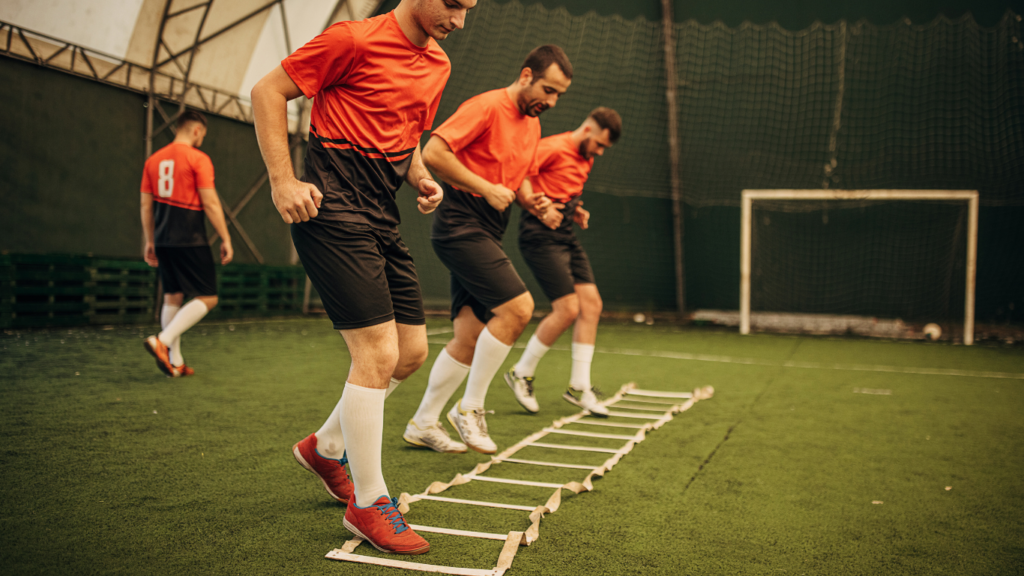

Define What Peak Performance Looks Like in Your Sport
Start with what your sport actually demands. A sprinter moves differently than a midfielder, and a wrestler is built for close, grinding bursts not open field sprints. So break your sport down. Look at the patterns: how often are you changing direction? How long are work intervals? How explosive do movements need to be? The answers shape everything that comes next.
From there, figure out which energy systems drive performance. High rep, long duration athletes think rowers or long distance runners need dominant aerobic engines. But if your sport is more start stop, short burst like basketball, wrestling, or hockey? Anaerobic capacity is huge. It’s not just about how long you can go it’s how fast you can recover and go again.
Last, identify KPIs. What actually matters in your sport? For football, it might be max sprint speed and lateral agility. For tennis, reactive power and rotational strength. Build your training around improving measurable metrics like speed, strength, agility, power, and endurance not just looking athletic but performing it under pressure.
Run a Thorough Athlete Assessment
If you want real gains, skip the guesswork. Start by establishing a baseline across fitness, strength, and mobility. This isn’t just about maxing out lifts or running a mile. It’s about seeing where the body stands how it moves, where it’s strong, and where it’s compensating.
Then, layer in drills specific to your sport. Basketball players? Look at lateral movement and vertical jump. Swimmers? Test shoulder mobility under load. These sport focused tests will highlight gaps that general fitness assessments might miss.
Track everything. Range of motion, muscle imbalances, stability under fatigue these metrics matter. Performance doesn’t just plateau on its own. Often, it’s a breakdown in mechanics or a weakness hiding just under the surface. Identify it now, avoid injury later.
Break Down Your Training Phases

A successful sport specific training program is built around strategic timing. It’s not just about working hard it’s about working smart by adjusting your efforts throughout the year. This is where periodization comes in.
Phase Based Training: Structure Your Year
To maximize performance and reduce the risk of burnout or injury, divide your training calendar into distinct phases:
Off Season
Focus: Build baseline strength, correct imbalances, and recover mentally and physically
Emphasis on general physical preparedness and foundational strength
Pre Season
Focus: Sharpen sport specific skills, increase intensity, and fine tune conditioning
Introduce drills that mimic game speeds and scenarios
In Season
Focus: Maintain performance and prevent fatigue
Reduce training volume, maintain quality, and prioritize recovery
Transition/Rest Phase
Focus: Full recovery and reflection
Use this time for active rest, cross training, or minor rehab
Create a Training Calendar That Works
A well balanced calendar is critical to manage load and ensure optimal progression. When building your schedule:
Alternate high intensity and recovery days to prevent overtraining
Schedule deload weeks into each training block
Align high skill or high load work with periods of low competition or fewer life stresses
Tailor Skill Development
Not every skill needs the same level of focus in each phase. Identify where an athlete is lacking, then prioritize:
Technical refinement during off and pre season
Tactical and decision making drills closer to the season
Minimal effective training during the season to maintain sharpness
For a more in depth look at how to build a sport specific training plan from the ground up, check out this deep dive into custom training for your sport.
Customize Strength, Conditioning, and Skill Training
Generic workouts won’t cut it if you’re chasing peak sport performance. Your training should mirror what actually happens in competition. That starts with movement patterns. If your sport demands lateral cuts, explosive starts, or rotational power, those motions need to show up consistently in your strength and skill work.
Drills should be built around game like scenarios, not just isolated talent displays. Think chaos, decision making, and transitions that reflect real competition. That’s where performance adapts.
When it comes to conditioning, stop thinking more is better. Mindless miles or endless sprints often do more harm than good. Be intentional match duration, intensity, and recovery to what the athlete actually faces in the sport. Breathing patterns, heart rate zones, and explosive efforts should all line up with game tempo.
The goal? Keep your training relevant, efficient, and adaptive. Every element should serve a purpose. For a breakdown on how to fully tailor your approach, review this deep dive into custom training for your sport.
Prioritize Recovery and Injury Prevention
Performance doesn’t come from pushing nonstop. It comes from strategic recovery. Mobility work keeps the joints functional and movement clean. Soft tissue care whether that’s foam rolling, massage, or targeted bodywork keeps the system moving efficiently and reduces the risk of overuse injuries. Deload weeks aren’t optional either. They’re what keep your body from falling apart over time.
The basics matter more than any supplement or gadget: sleep should be consistent, hydration steady, and meals structured with intent. If those three slip, everything else follows.
Finally, track your numbers. Performance data whether it’s your vertical jump, heart rate variability, or just how you feel during sessions tells you when to push and when to back off. If fatigue starts climbing but results don’t follow, it’s time to adjust. Don’t wait until pain forces a break.
Sustainable output starts with smart recovery. Train hard, but recover harder.
Reassess, Refine, Repeat
Testing isn’t glamorous, but it’s essential. Every 4 6 weeks, take time to measure your key performance indicators (KPIs). That might mean a timed sprint, a vertical jump, a conditioning circuit whatever best reflects the demands of your sport. This isn’t about chasing perfection; it’s about spotting progress and staying aligned with your goals.
Seasons shift. Goals change. What worked in your off season grind might not hold up mid competition. Be ready to recalibrate tweak conditioning loads, shift focus to recovery, or refocus strength work based on performance feedback. Rigidity kills results.
Adaptability matters, but don’t blur the mission. Your program should move with the athlete, but never away from the clear demands of the sport. Keep your end goal in sight and use testing as your compass. What gets measured, gets managed and improved.