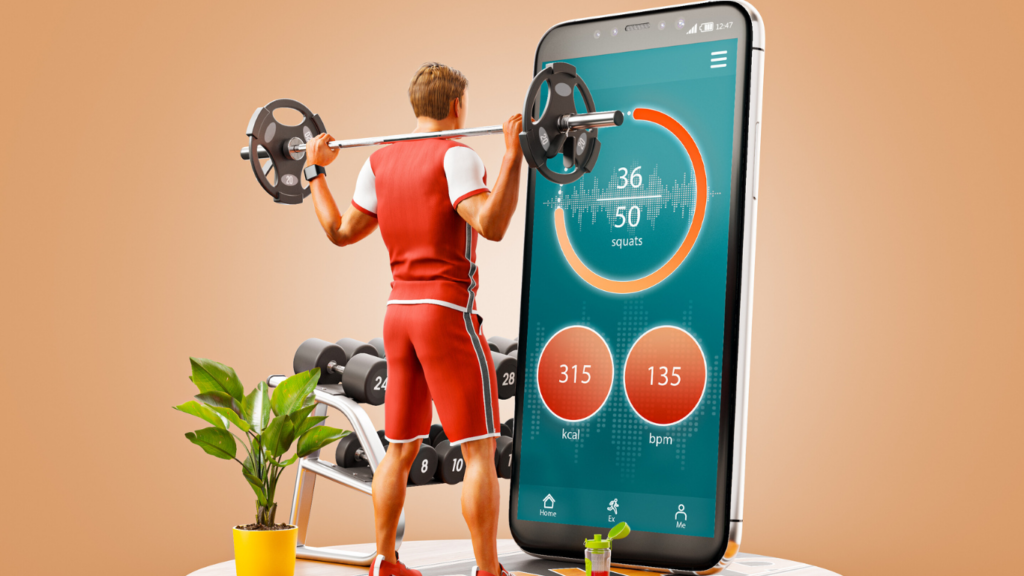

Smarter, Sharper Training for Athletes
Top tier athletes are no strangers to intense training, but VR is giving them a new edge. Across elite programs, virtual reality has become a go to tool for sharpening performance without the physical wear and tear. Think of it as high intensity reps for the brain faster reaction times, better decision making, and stronger spatial awareness, all in a controlled virtual setting.
Want to prep for last minute pressure kicks or split second passing reads? VR delivers sport specific simulations that let players walk through high stakes scenarios without stepping on a field. Football quarterbacks, soccer goalies, tennis returners athletes now rehearse game day moments endlessly, improving instincts and precision.
And it’s not just about peak performance. VR is making a serious impact in recovery. Using immersive motion tracking, injured pros can stay mentally synced with game visuals and movements, even while physically sidelined. It keeps the mind sharp and prevents them from falling behind.
It’s not hype. VR’s presence in elite sports isn’t futuristic anymore it’s a practical layer of performance training happening in real time.
Fan Experience Reimagined
Watching a game from the couch isn’t what it used to be. In 2024, fans are stepping into the virtual stadium with front row seats without ever leaving home. Thanks to VR, you’re not just watching the match, you’re experiencing it: real time crowd noise, 360 degree views, and access to angles the TV never showed you.
But it’s not just about better sightlines. Interactive fan zones let viewers huddle up in digital spaces, talk smack, and cheer with others in real time. Want stats as the game unfolds? Overlays pump out live data directly into the VR experience who’s offside, who’s heating up, and how fast that last serve actually was.
This isn’t just flash it’s fan immersion. For leagues, it’s a way to build deeper loyalty beyond ticket sales. The NBA and Premier League are already testing these virtual add ons, and early feedback is strong. People want more than a screen they want to feel like they’re part of something. VR delivers that.
Explore more on VR sports engagement
Barriers to Mass Adoption

For all its promise, VR in sports still has a hill to climb. Cost is a big one. Not every fan can spend hundreds on a headset, and not every amateur athlete has the budget for high end VR training setups. Accessibility is another factor stable internet, compatible hardware, and technical literacy still divide who can plug in versus who can’t. Add to that the learning curve. Even when people get the gear, many don’t know where to start.
But change is underway. Startups are building mobile first VR solutions that cut hardware costs. Some leagues are investing in community training hubs and partnerships with schools to demo the tech. Others are going freemium basic VR experiences for everyone, with advanced features behind a paywall. These workarounds aim to lower the bar without watering down the experience.
Still, to make VR truly mainstream in sports, we need better onboarding. Simpler user interfaces. Less jargon. And pricing models that don’t lock people out. Until then, VR will stay a powerful tool but only for those who can afford the ticket in.
The Global Impact
Virtual Reality is quietly tearing down old barriers especially in places where access to elite sports infrastructure has always been limited. In emerging regions, expensive facilities and top tier coaches aren’t within reach of most young athletes. But with a headset and a solid internet connection, a player in Nairobi or Medellín can now practice high intensity drills once reserved for pro complexes.
The reach doesn’t stop at training. Time zones used to kill fan engagement. Now, VR brings the game closer. You’re not just watching a late night highlight reel, you’re stepping into a stadium like space, catching replays, chatting with fellow fans, even buying digital merch in real time. This kind of access turns casual followers into connected communities regardless of geography.
Most importantly, VR levels the playing field. Scalable modules allow entire teams to train simultaneously, remote coaches can guide sessions from anywhere, and analytics are baked into every movement. What used to take thousands of dollars and a private facility now exists in a portable headset. It’s not hype. It’s a toolkit for global equity in sport.
Where It’s Headed Next
The next frontier for VR in sports is smarter, more adaptive, and increasingly precise. By layering AI and machine learning into VR platforms, training becomes hyper personalized. Athletes get real time feedback tailored not just to the session, but to their individual stats, form patterns, and performance history. This isn’t static coaching it learns, adjusts, and sharpens its insight with every rep.
On the scouting front, VR is quietly reshaping how talent gets discovered. Recruiters can now assess prospects in immersive environments, simulating actual gameplay under controlled variables. No more grainy highlight tapes. Instead, coaches get a 360 degree look at decision making, movement, even pressure response before ever flying someone in.
As for when this all hits the mainstream? Expect accelerated adoption in youth and amateur sports within the next two to three years. Football and baseball are already leading the pack, but sports like tennis, volleyball, and boxing are circling in. Anywhere precision and split second reactions matter, VR plus AI will find a home.
For a closer look at how VR is evolving sports in real time, see this deep dive.