
What Smart Equipment Really Means Today
Smart sports technology isn’t about flashy wearables or gimmicks anymore. It’s about embedded intelligence hardwired sensors, machine learning, and real time data loops that deliver value beyond counting steps or reps. These days, your gear isn’t just logging numbers. It’s analyzing speed, angle, impact, fatigue. And it’s delivering that insight while you’re mid set, mid stride, or mid game.
The evolution’s been steady. First came pedometers and heart rate monitors. Then GPS tracking and motion analysis stepped in. Now, in 2024, we’re deep into phase three: AI driven coaching tools built right inside your gear. Shoes that correct your stride. Gloves that analyze punch force. Smart balls that track spin rate and flight path in real time. The tech processes more than metrics it learns how you move, flags inefficiencies, and adjusts.
In short, smart equipment is no longer passive. It’s reactive. And that shift is changing how athletes from all levels train, recover, and compete.
The Performance Edge: Real Time Tracking in Action
Smart equipment is transforming how athletes understand and improve their performance. Through real time tracking powered by embedded sensors and artificial intelligence, athletes and coaches gain precision insights that were once only available with lab grade testing.
Core Metrics Tracked Instantly
Many modern training tools now monitor key aspects of athletic performance the moment they happen:
Speed: Measure acceleration, sprint capacity, and burst power in seconds.
Power Output: Sensors detect force production during lifts, sprints, or jumps.
Form and Technique: Wearables flag improper posture during movement patterns.
Fatigue Levels: Track physiological indicators like heart rate variability and motion stiffness.
Personalized Performance Data
Each athlete benefits from a unique data profile:
Metrics are calibrated to the individual, revealing personal strengths and weaknesses.
Dashboards visualize progress over time, helping athletes set goals based on real results.
Systems adapt feedback based on position, sport, and training style.
Real Time Coaching Adjustments
For coaches, the ability to access live data makes training far more responsive:
Detect flaws in form as they happen and intervene before bad habits embed.
Adjust workout load in real time to avoid overtraining or ineffective sessions.
Tailor drills and programming for each athlete’s needs in the moment.
Reducing Injury and Maximizing Gains
Real time corrections aren’t just about better performance they’re also a safety net:
Spot movement inefficiencies that could lead to injury.
Identify fatigue early, preventing burnout or strain.
Reinforce optimal form, accelerating skill mastery and physical gains.
Smart equipment delivers a clear edge: better data leads to better decisions. Training becomes safer, more efficient, and far more precise.
From Data to Dominance: Why Insights Matter

The real advantage of smart equipment isn’t just the data it’s what athletes and coaches do with it. Gone are the days of waiting for post game film or end of season stats to adjust strategy. Now, mid game shifts are possible because real time feedback is built into the gear. A soccer forward who’s slowing down by the 60th minute? Coaches see that data and swap in fresh legs. A tennis player’s serve drops below baseline velocity? Adjustments happen between sets, not matches.
This tech isn’t just about managing fatigue or tweaks it’s also helping athletes push through plateaus. Take sprinter Maya Collins. Her wearable sensors caught a subtle imbalance in her stride. One week later, corrected form meant a new personal best. Or linebacker Dan Owens, whose impact force peaked after switching to AI guided workouts based on motion tracking.
Smarter data leads to smarter choices in training, during games, and across whole seasons. It’s not just help. It’s an edge.
Not Just for the Pros
Smart gear isn’t just for elite athletes anymore. College teams, high school squads, and even youth programs are getting onboard. Coaches use it to track performance trends, reduce injury risks, and customize drills. For many programs, the tech is becoming part of standard equipment just like cones or weights.
At the same time, prices are dropping. Sensors, sleeves, and AI enabled tools that once cost thousands have new, affordable versions built for daily users. That shift is opening the door for committed amateurs to level up their routines without breaking the bank.
From weekend warriors to serious club athletes, more people are training with the kind of feedback once reserved for pros. It’s not about chasing elite status it’s about training smarter, staying healthier, and actually seeing where your gains come from.
(Learn more: smart equipment tracking)
The Tech Behind the Gear
Smart equipment isn’t just about trackers anymore it’s about full stack systems built right into the gear. Embedded chips now monitor movement from every angle using gyroscopes and accelerometers. GPS tools track speed, distance, and elevation with near perfect precision. AI powered dashboards process it all in real time, transforming raw data into insights you can actually use.
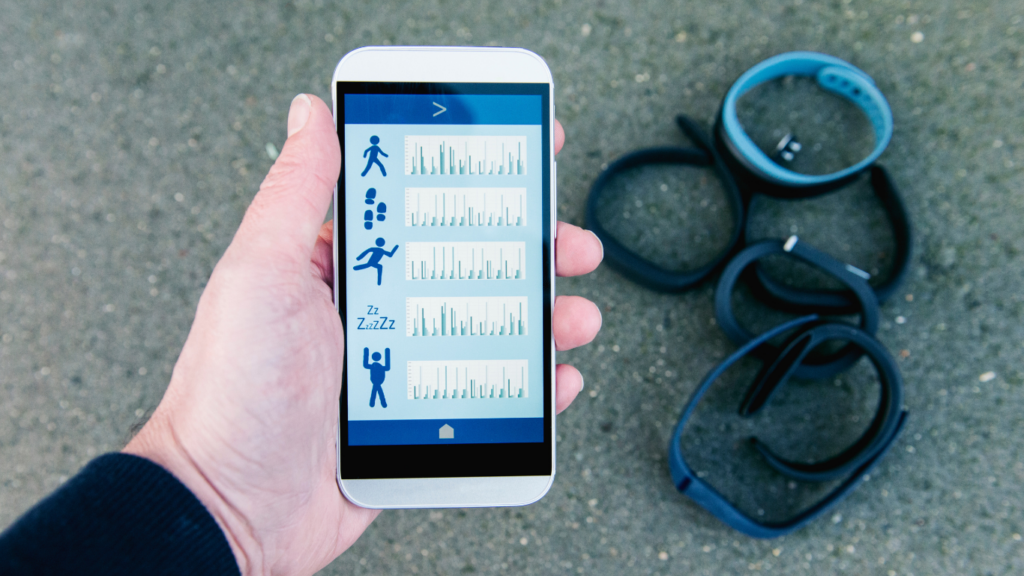
What makes the experience seamless is the pairing. Most smart gear is now designed to sync instantly with mobile apps or coaching platforms. No more clunky uploads or juggling devices your metrics are live during the workout, displayed on your phone or tablet, or even pushed to your coach’s dashboard in a different zip code.
All that info doesn’t just vanish after the session. Cloud storage platforms log every training session, organizing months (or years) of performance data into trendlines. Over time, it becomes a high res map of your progress or lack of it. It’s measurable, trackable, and actionable.
If you want to drill deeper into what makes this tech tick, head to smart equipment tracking.
What’s Next in Smart Training
Smart equipment is moving from reactive to predictive. Advanced analytics can now forecast injury risk before a single muscle pulls. By analyzing trends in joint stress, muscle fatigue, sleep recovery, and movement patterns, platforms are flagging potential trouble early sometimes weeks in advance. That data isn’t just for elite teams anymore either. It’s built into off the shelf tech worn by high school athletes and hobbyists alike.
Then there’s biometric integration: hydration levels, oxygen saturation, heart rate variability, and even stress markers. Real time tracking of these inputs gives a fuller picture of athlete readiness. Not just how fast you’re moving, but whether your body is primed to perform.
Add to that AI driven training programs that adapt on the fly. Sensors feed performance data into algorithms that tweak your next set, rep, or rest interval without you lifting a finger. It’s coaching that never sleeps and it’s tailored to your exact state in the moment.
Bottom line: this isn’t tech for later. It’s the baseline for those serious about staying healthy, adapting faster, and getting ahead.