
Smarter Coaching Starts with Better Data
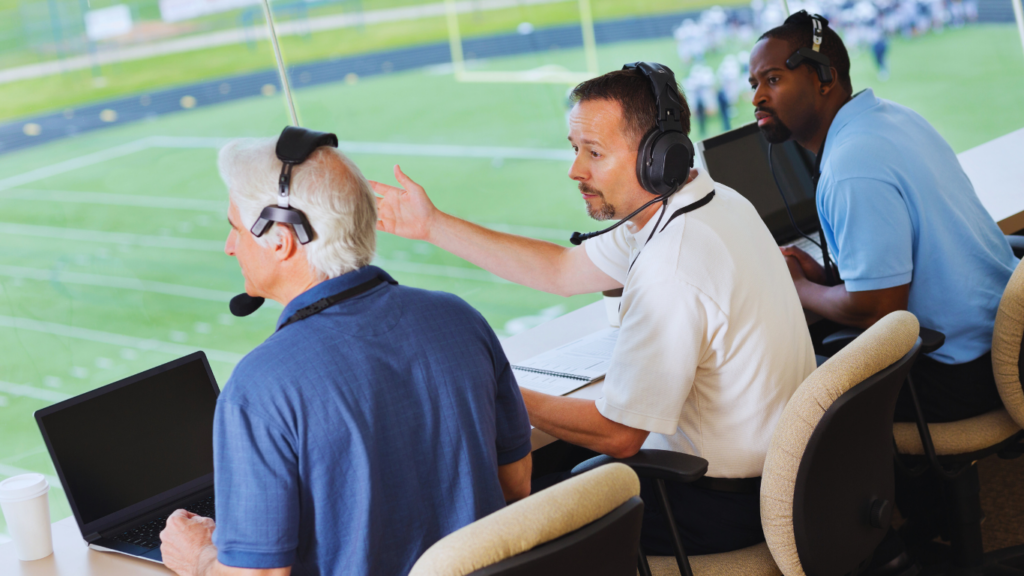
Coaches don’t have to rely on gut instinct anymore not exclusively, anyway. AI is overhauling how decisions get made during a game and long before it. From lineup rotations to substitution timing, real time data crunching is feeding coaches the kind of insight they used to dream about. It’s not just about what’s happening it’s about what’s likely to happen next.
Machine learning models are also making training smarter. Athletes now get routines tailored to their bodies and roles, adjusting in real time as performance data comes in. That means fewer blind spots, fewer wasted reps, and more intentional development.
Predictive analytics are giving coaches a new edge in crafting strategies. Whether it’s a specific matchup exploit or an opponent’s pattern no one else sees, AI can catch it. The smartest teams aren’t using data just for stats they’re using it to reshape the playbook.
For detailed examples of AI in action on the field and in the locker room, check out this deep dive on AI for Coaches and Players.
Boosting Athlete Performance Through Precision
AI + Wearables = Next Level Potential
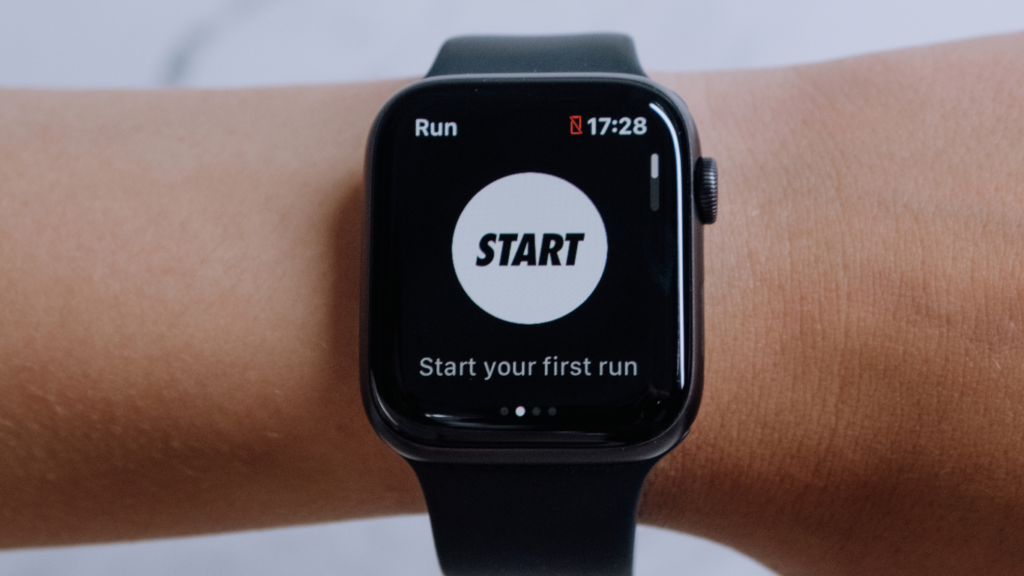
Modern athletes are no longer training blind. With the help of wearable tech and AI powered analytics, sports performance can now be finely measured, analyzed, and optimized. These innovations provide real time feedback that reveals not only how an athlete is performing, but how they could improve.
Smart sensors gather live biomechanics data
Machine learning models highlight inefficiencies or risks
Customized insights based on individual physiology, not averages
Predictive Recovery: Avoiding Burnout Before It Starts
One of the most valuable contributions of AI is in recovery and injury prevention. Rather than reacting to injuries post factum, teams can use predictive tools to foresee fatigue or overuse before it becomes a problem.
AI monitors workload and stress markers
Systems flag risk levels based on historical and real time data
Training loads and rest cycles can be adjusted in advance
Motion Tracking & Digital Twins
Technique is everything, and AI now helps refine it with pinpoint accuracy. Using motion tracking systems, athletes can view and analyze their own mechanics at a granular level. Paired with digital twin technology virtual replicas of athletes coaches can simulate changes in form or technique.
Break down every movement frame by frame
Simulate outcomes of biomechanical tweaks
Create a visual map for performance improvement
Objective Progress Tracking
Tracking athletic performance over time has traditionally included a degree of bias subjectivity from coaches, inconsistent metrics, or unreliable comparisons. AI eliminates that variability, creating a consistent, data driven view of progress.
Track metrics across sessions, seasons, or careers
Spot trends invisible to human observers
Compare athlete development with internal benchmarks
With AI backed precision tools, athletes can evolve faster, train smarter, and compete safer than ever before.
Strategy, Scouting, and Game Theory

AI isn’t just changing how sports are played it’s reshaping how they’re studied, learned, and anticipated. Coaches and analysts used to spend hours dissecting film. Now AI can break down thousands of plays in minutes, flagging patterns even seasoned veterans might miss. Want to see how your opponent handles third and long under pressure? The algorithm already knows.
This tech doesn’t sit on the sidelines, either. AI models are now feeding coaches real time predictive adjustments mid game suggesting substitutions, play calls, and defensive shifts based on live inputs. It’s fast, lean decision making powered by data, not gut feelings.
Recruitment is getting an upgrade too. AI platforms can filter through thousands of players globally, ranking talent based on performance stats, playing style, and even injury risk. It’s not perfect, but it’s efficient. That alone saves teams time, money, and missed opportunities.
Then there’s the head game. AI backed cognitive tracking is helping athletes better manage focus, pressure, and situational thinking. Simulated drills, reaction tests, and fatigue prediction are no longer elite luxuries they’re part of modern prep.
For a deeper look at these tools in action, check out AI for Coaches and Players.
The Future: From Sidelines to Simulations
AI and the Fan Experience
AI isn’t just changing what happens on the field it’s transforming how fans interact with sports in real time. From smarter broadcasts to personalized viewing experiences, technology is rewriting the rules of engagement.
Enhanced broadcasts: AI powered highlight reels, instant translations, and dynamic stat overlays
Custom content: Real time personalization based on viewer behavior and preferences
Immersive experiences: Virtual and augmented reality simulations, driven by AI generated game data
Ethical Boundaries and Human Judgment
As AI becomes more integrated into decision making, the line between assistance and autonomy starts to blur. It’s raising important questions across the sports world:
Who makes the final call the coach, or the data?
Informed bias: Can reliance on AI reinforce existing inequalities or overlook intangible factors?
Transparency and trust: Teams must communicate how AI is used in evaluations and strategy
Staying within ethical bounds means recognizing that some elements of sport intuition, leadership, and momentum are still deeply human.
Staying Ahead in the AI Era
The competitive edge is increasingly defined by how well teams and organizations harness AI technology. Success requires more than just access to data it demands integration, insight, and adaptability.
Key moves for staying ahead:
Invest in infrastructure: Robust data systems, software, and AI talent
Train staff and athletes: Widespread AI literacy is essential
Protect data integrity: Security measures and ethical frameworks must be in place
AI will keep evolving but so will the teams who understand how to put it to work without losing the human edge.
Final Take
AI hasn’t replaced the coach with a whistle or the athlete on the field. It’s made them smarter, faster, and more precise. The smartest training rooms today aren’t filled just with sweat and repetition they’re wired up with data insights, predictive metrics, and real time feedback loops. That shift isn’t science fiction. It’s just performance, upgraded.
In 2024 and beyond, raw talent won’t be enough. Being stronger or quicker gives you the edge but data keeps you in the game longer. The frontrunners will be the ones who train with intention, use AI like a spotter, and treat numbers like another coach in the room. The game’s still human. But the playbook? It’s evolving.