
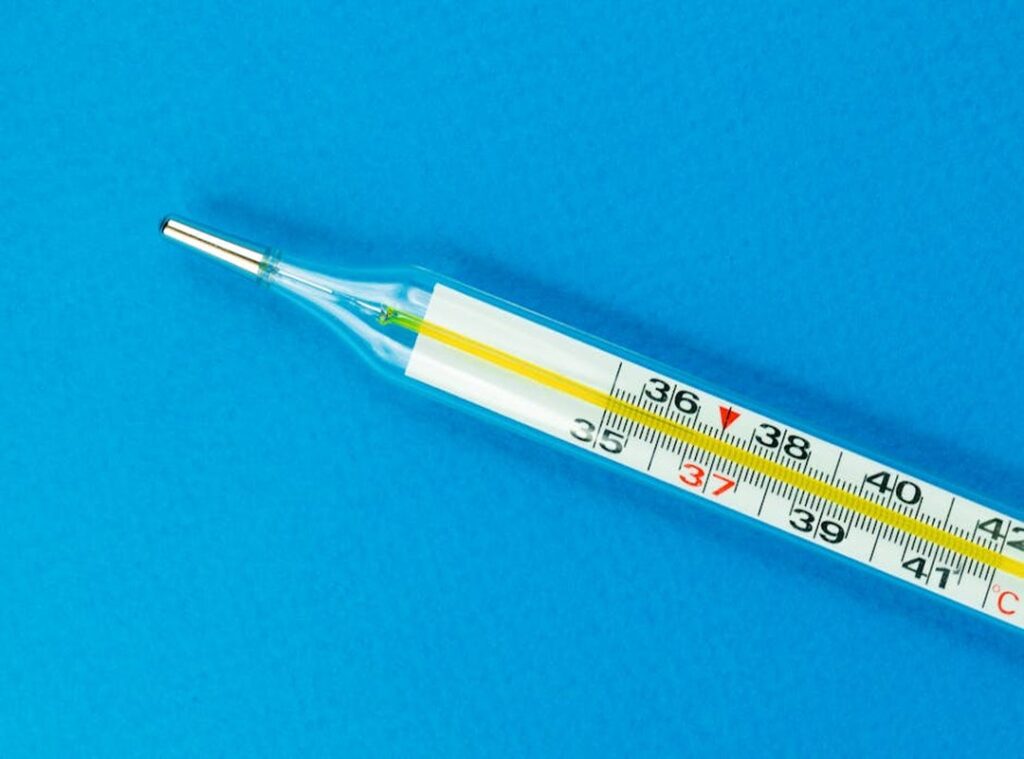
Fever can be a real pain, literally. You know that feeling when you’re not sure if you have a fever or just feeling a bit off? It’s frustrating.
Using a thermometer is the best way to get an accurate reading. But let’s be honest, not everyone knows how to use one properly.
This can lead to some serious health issues if you’re not careful. Misreading a temperature can mean missing out on important treatment.
So, what’s the solution, and simple. Learn how to use a thermometer correctly.
This article will help you do just that.
We’ll cover everything from taking the right kind of readings to understanding what those numbers mean. No more guessing games.
You deserve to know exactly what’s going on with your body. Let’s get started.
Types of Thermometers for Measuring Fever
When you or a loved one has a fever, choosing the right thermometer can make a big difference. Here’s a rundown of the most common types and when to use them.
- Oral Thermometers:
Pros: Easy to use and widely available.
Cons: Can be uncomfortable for some, especially kids.
When to use: For older children and adults who can hold it in their mouth for a few minutes.
It feels like a small, smooth stick in your mouth. It’s not the most comfortable, but it gets the job done.
- Ear (Tympanic) Thermometers:
How they work: They measure the infrared heat from the eardrum.
Accuracy: Generally accurate, but can be affected by earwax or improper placement.
When to use: For quick readings, especially with fussy children.
The soft, gentle beep lets you know the reading is complete. It’s a bit like a tiny, quiet alarm clock in your ear.
- Forehead (Temporal Artery) Thermometers:
Benefits: Non-invasive and quick.
Limitations: Can be less accurate if the forehead is sweaty or if the room temperature is extreme.
When to use: For all ages, especially for those who might resist other methods.
You feel a cool, gentle swipe across your forehead. It’s almost like a soothing touch, making it a favorite for many.
- Rectal Thermometers:
When and why: Used for infants under 3 months old because it provides the most accurate reading.
Pros: Highly accurate.
Cons: Can be uncomfortable and requires careful handling to avoid injury.
For infants, it’s the gold standard. It’s not the most pleasant experience, but it’s necessary for getting an accurate reading.
thermometer lagnat picture
Each type has its own set of pros and cons, so choose the one that best fits your needs.
How to Use a Thermometer Correctly
Using a thermometer might seem simple, but there’s more to it than meets the eye. Let’s break it down step by step.
Preparation: Cleaning and Preparing the Thermometer
First things first, clean your thermometer. Use soap and water or an alcohol wipe. This is crucial to avoid any contamination.
Positioning: Proper Placement for Different Types of Thermometers
Now, let’s talk about where to place the thermometer. It varies depending on the type you’re using.
- Oral Thermometers: Place it under the tongue. Make sure it’s in the center and not touching the teeth. Wait for the beep.
- Ear Thermometers: Gently insert the tip into the ear canal. Don’t force it; just make sure it’s snug.
- Forehead Thermometers: Swipe the sensor across the forehead. It should make good contact with the skin.
- Rectal Thermometers: Lubricate the tip and insert it gently about 1/2 to 1 inch into the rectum. This is especially useful for infants.
Each method has its pros and cons. Oral thermometers are easy to use but can be affected by recent food or drink. Ear thermometers are quick but require a proper fit.
Forehead thermometers are non-invasive but can be less accurate if the skin is sweaty. Rectal thermometers are highly accurate but can be uncomfortable.
Reading the Temperature: How to Interpret the Results
Once the thermometer beeps, read the temperature, and normal body temperature is around 98.6°F (37°C). A fever is generally considered to be 100.4°F (38°C) or higher.
Common Mistakes: Avoiding Errors to Ensure Accurate Readings
Here are some common mistakes to avoid:
– Not waiting long enough: Follow the manufacturer’s instructions for how long to wait.
– Moving too much: Stay still while taking the reading.
– Incorrect placement: Make sure the thermometer is in the right spot.
– Not cleaning between uses: Always clean the thermometer before and after each use.
By following these steps, you can get the most accurate readings and make informed decisions about your health.
Recognizing and Managing Fever
What is a normal body temperature, and it’s 98.6°F (37°C). Simple, right?
But it can vary a bit from person to person.
Fever ranges can be confusing. A mild fever is usually between 100.4°F to 102.2°F (38°C to 39°C). You might feel a bit warm and uncomfortable.
Moderate fevers range from 102.2°F to 104°F (39°C to 40°C). At this point, you might have chills, sweating, and a headache. High fevers are over 104°F (40°C) and can be serious, causing confusion, seizures, or even delirium.
When should you seek medical attention? If your fever is high, persistent, or if you have other symptoms like severe headaches, confusion, or difficulty breathing, it’s time to see a doctor. Don’t wait around; better safe than sorry.
Home care tips: Stay hydrated, rest, and use over-the-counter medications like acetaminophen or ibuprofen. Dress in light clothing and keep the room at a comfortable temperature.

Sometimes, managing a fever can be frustrating. You’re not sure if it’s just a passing thing or something more serious. And let’s face it, being sick is no fun.
If you’re feeling overwhelmed, take a deep breath. Follow these steps, and you’ll be on the right track. And hey, while you’re resting, why not check out how to stay updated on major sports events around the globe top tips for sports fans?
It’s a great way to pass the time and keep your mind off the fever.
Thermometer Images and Visual Guides

When it comes to understanding different types of thermometers, a picture is worth a thousand words. That’s why we’ve included high-quality images of various thermometers and their displays. You can see exactly what each one looks like and how the display works.
Next, let’s talk about using them. Step-by-step instructions with illustrations show you how to use each type of thermometer. No more guessing or fumbling around.
Clear, easy-to-follow guides make it simple.
Fever symptoms can be confusing, and so, we’ve added symptom charts. These visual representations help you understand when a fever is just a minor issue and when it’s time to seek medical help.
It’s all about making sure you know what to look for.
Comparison tables are also part of this guide. They give you a side-by-side look at different thermometer types and their features. This way, you can easily compare and choose the one that fits your needs best.
thermometer lagnat picture
What’s next? You might be wondering which thermometer is right for your specific situation. After you check out the comparison tables, think about your needs.
Do you need something quick and easy for everyday use, or do you need a more precise tool for medical reasons?
Pro tip: Always keep a backup thermometer in case your primary one fails. Better safe than sorry, right?
Choosing the Right Thermometer for Your Needs
When it comes to picking a thermometer, there’s a lot to consider. Age, ease of use, accuracy, and cost are all important factors.
For kids, you want something that’s easy and quick. Ear thermometers are great for this. They’re fast and don’t require your child to sit still for too long.
On the other hand, if you’re an adult, you might prefer a more accurate option. A forehead thermometer is a good choice. It’s non-invasive and gives you a reliable reading in seconds.
Traveling, and go for a compact, no-fuss digital thermometer. These are small, portable, and get the job done without any hassle.
Let’s talk about user reviews. Real users can give you a lot of insight. They often point out little details that you might not think about, like how easy it is to clean the device or how long the battery lasts.
thermometer lagnat picture
In the end, it’s all about what fits your specific needs. Don’t just go for the most expensive one. Sometimes, a simple, affordable option does the trick just as well.
Stay Informed and Prepared
Using a thermometer lagnat picture is crucial for accurately measuring body temperature. Recognizing the signs of fever, such as a temperature above 100.4°F (38°C), is equally important. Accurate readings help in proper management and timely medical intervention.
Keep your thermometer clean and well-maintained to ensure reliability. Always follow the manufacturer’s instructions for best results. Stay informed about the symptoms and treatments related to fevers.
Being prepared with the right knowledge and tools can make handling fevers much more manageable.