Why Pre Game Nutrition Matters
What you eat before competition isn’t just fuel it’s your front line. A solid pre game meal can give you an instant edge, boosting your strength, stamina, and mental clarity when it counts. Athletes who dial in their nutrition show up sharper from the first whistle, with better energy output and quicker reaction times.
It also plays defense. Proper pre game nutrition helps delay fatigue, protects against common injuries, and keeps your muscles firing efficiently under stress. Without it, you’re burning through reserves too early and performance drops fast.
More than just prep, your meal acts as the first recovery step. Nutrients taken in before the game kickstart muscle repair and recovery before the cool down even begins. For serious athletes, skipping pre game nutrition isn’t just a missed opportunity it’s a liability.
Timing Is Everything
When it comes to fueling up, timing can make or break your performance. The sweet spot for a full pre game meal is 2 to 4 hours before competition. This gives your body time to digest and convert food into usable energy without weighing you down. Think balanced lean protein, complex carbs, and just a bit of healthy fat. A bowl of oatmeal with nut butter and berries? That works. Chicken, rice, and greens? Solid.
If you’re running short on time or need a quick top up closer to game time, aim for a light, easy to digest snack 30 to 60 minutes before you compete. This isn’t the moment for anything heavy. Try a banana with peanut butter, a fruit smoothie with protein, or a handful of pretzels with a few sips of a sports drink.
But don’t wing it on game day. Test your timing during practice. Everyone’s gut is different what works for one athlete may leave another cramped and sluggish. Use training sessions to dial in not just what you eat, but also when you eat it.
Bottom line: fuel smart, test often, and find the timing that lets you perform without distractions.
Key Nutrients to Prioritize

When it comes to fueling up for game day, macros matter. Get the right mix of carbohydrates, proteins, and fats, and your body will show up ready. Miss the mark, and performance suffers before step one.
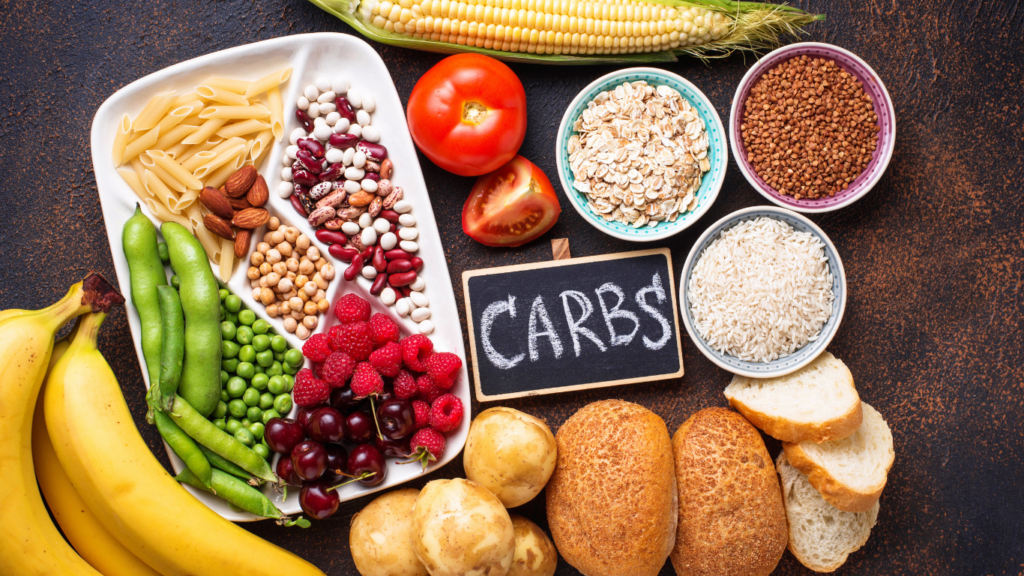
Carbohydrates are the go to fuel for high intensity activities. Think sprinting, lifting, jumping anything explosive. You want to load up with simple and complex carbs like rice, pasta, oats, or fruit. Carbs help keep glycogen stores full, which means more energy for longer bursts.
Proteins are your muscle’s backup crew. When you’re training hard, you’re breaking down tissue. Protein helps rebuild it stronger. It also gives your body support under stress, so you stay in one piece during those longer sessions. Stick with lean sources chicken, fish, eggs, or plant based options like tofu and lentils.
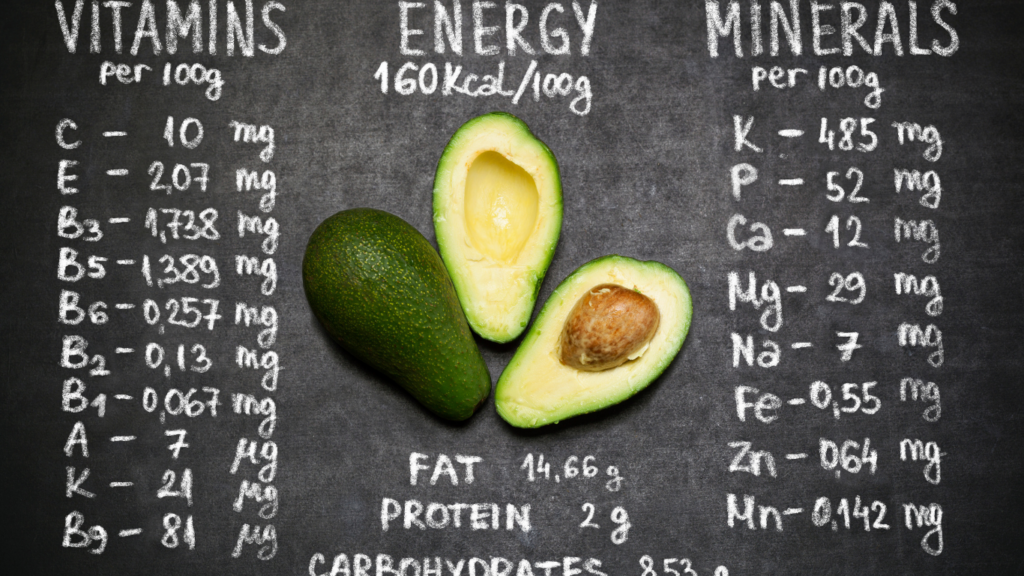
Fats fuel the long hauls. They burn slower than carbs, making them useful for endurance athletes like marathoners or cyclists. That said, don’t go overboard. A bit of avocado, nuts, or olive oil goes a long way. Too much fat too close to game time can bog you down.
Ideal Ratios by Sport Intensity:
High intensity, short duration (e.g., sprints, team sports): 60% carbs, 20% protein, 20% fat
Moderate endurance (e.g., basketball, soccer): 50% carbs, 25% protein, 25% fat
Long duration endurance (e.g., marathons, triathlons): 45% carbs, 20% protein, 35% fat
Macros aren’t one size fits all, but knowing how to tailor intake to your sport gives you an edge that lasts.
For more insight on balancing macros, visit athlete nutrition tips
What to Eat: Game Ready Meal Ideas
Fueling your body before competition isn’t just about eating it’s about eating with intention. Choosing foods that promote steady energy, nutrient absorption, and digestive comfort can make all the difference in performance.
2 4 Hours Before: The Main Meal
In this critical time window, your body has enough time to digest and absorb nutrients without feeling too full. Focus on balanced meals containing complex carbohydrates, lean protein, and a small amount of healthy fats.
Recommended options:
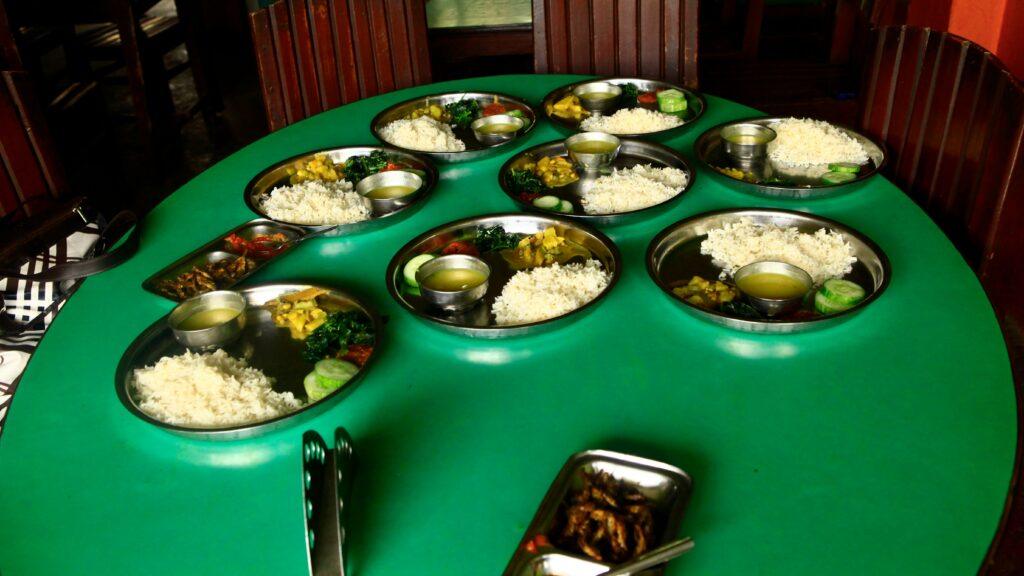
Grilled chicken with brown rice and vegetables
A well rounded, protein rich option that fuels endurance and supports muscle activation.
Oatmeal with banana and peanut butter
A great plant based choice that provides slow digesting carbs, healthy fats, and natural sugars for balanced energy.
30 60 Minutes Before: Quick Fuel
When you’re closer to game time, opt for light, easily digestible foods that deliver quick energy without weighing you down. These should be low in fat and fiber to prevent any digestive discomfort.
Ideal pre game boosters:
Greek yogurt with honey
Offers an easy to digest protein hit with some fast acting carbs from honey.
Fruit smoothie with whey protein
Hydrating, customizable, and effective great for athletes who struggle with solid food before games.
Make sure to test these options during training sessions to understand how your body reacts. Pre game nutrition is not one size fits all it’s a personalized strategy that supports YOUR performance.
What to Avoid
Pre game nutrition isn’t just about what you eat it’s also about what you skip. Bad choices before a game can drag you down fast.
High fat or fried foods are the first red flag. They take longer to digest and sit heavy in your stomach. That means your body ends up working on digestion when it should be focused on performance.
Next on the no go list: excess sugar. It might feel like a quick boost, but the crash hits harder and usually right when intensity peaks. That energy spike doesn’t last, and then you’re left running on empty when you need momentum.
And here’s a golden rule: don’t eat anything new close to game time. Stick to foods your body already knows. Trying something unfamiliar no matter how healthy it looks can invite stomach issues, and there’s no time for that when you’re mid play. Keep it simple, tested, and focused.
Hydration Strategy
Hydration starts before game day. If you wait until you’re sweaty and fatigued to drink water, you’re already a step behind. Your body works better when it’s stocked early, so start increasing water intake the day before a workout or competition. Don’t overdo it just be steady.
On game day, aim for 16 to 20 ounces of water about 2 3 hours before you start moving. That gives your body time to absorb and balance fluids. As you get closer to go time, switch to small, consistent sips to stay primed.
If your training or match runs over an hour, or if you’re sweating buckets in high heat, a sports drink can help replenish key electrolytes. But for most people doing under 60 minutes, plain water gets the job done.
Stay ahead of the game with smarter fueling read more athlete nutrition tips for everyday performance gains.